Trauma and PTSD
Single events, such as an accident or an assault, and also the ongoing kind that built up over years.
EMDR stands for Eye Movement Desensitization and Reprocessing. It was developed for PTSD and is now used for anxiety, depression, and other types of daily struggles. EMDR sessions are 75 minutes. I trained in EMDR more than 10 years ago, and I have been practicing it ever since.
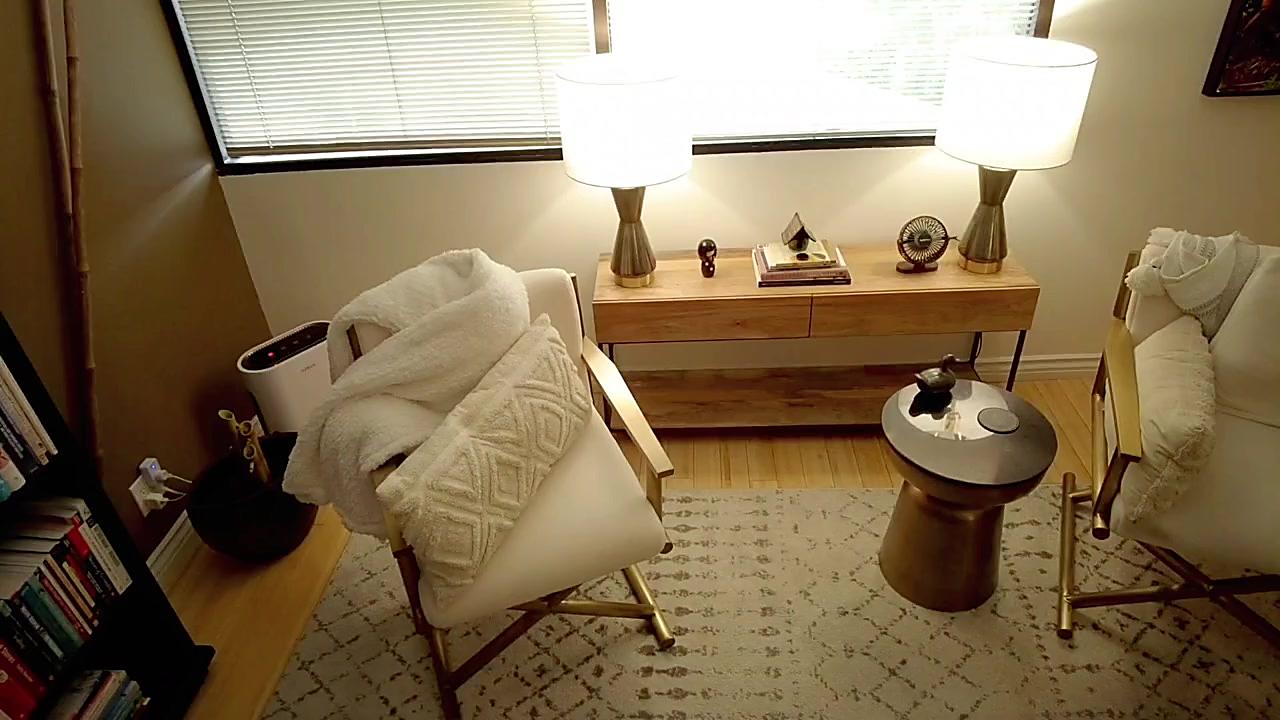
I’m in West LA, near Centinela and Santa Monica Boulevard. If you live or work in Brentwood, Sawtelle or Santa Monica, I’m close. And of course that matters, because EMDR has to happen in the room.
You already know what happened, and you can probably tell the story without getting upset. However, it still shows up in ways that seem unrelated, maybe a shorter temper than you used to have, or a body that doesn't settle.
Understanding what happened is important, of course. Unfortunately, understanding alone does not usually resolve it, and that is where EMDR comes in.
Difficult memories carry an emotional charge, much like a battery. EMDR can help drain that emotional charge, using guided eye movements, tapping or sound. It doesn’t erase the memory, and the work takes time.
We start with a phone call, usually 15 or 20 minutes, before you come in. We go through your history and what brings you in, I cover the limits of confidentiality and how I work, and we set some rough goals together.
If you're coming for EMDR, we will usually do a short round at the end of that first session, on something small and recent, like a parking ticket or a frustrating coworker. That way you know what it feels like before we work on anything harder.
In later sessions, you hold a memory in mind while following the eye movements, tapping or sound in short sets. Between each set, I ask what came up, whether it's an image, a thought or a feeling in your body. You don't have to describe the details unless you want to.
We leave time at the end to settle before you go.
Single events, such as an accident or an assault, and also the ongoing kind that built up over years.
Children adapt to whatever is happening at home, whether it's a misattuned parent or something much deeper. Those adaptations often show up later as patterns in adult relationships.
Anxiety that stays high even when things are going well. We look at where it started and how to respond to it differently.
The death of someone close, and also other losses, such as the end of a marriage or a career.
EMDR does not erase a memory. You will still remember what happened. It usually becomes less upsetting to think about.
It is also not a quick fix, and it is not the right fit for everyone. Some people need other work first, and some need a different approach altogether. We usually figure that out together on the first call.
EMDR is not emergency care. If you are in crisis, call or text 988, or call 911.
Most of my EMDR work is combined with what I call Adaptive Childhood Reprocessing, or ACR. EMDR helps reduce the emotional charge of painful memories, where ACR is a deeper introspection into what we experienced as children.
I also use Brainspotting therapy, inner child work, mind-body work and talk therapy, depending on what the session needs. EMDR is the base of our work, and we move into these other methods as needed.
Rates are on the rates page. I do not take insurance. However, I provide a monthly superbill, which you can submit to your insurance company for out-of-network reimbursement. Whether your plan pays anything back is up to your plan.
The deep work tends to start around minute 42 to 50, so those extra 25 minutes can be really helpful in getting to the bottom of what brought you to therapy in the first place. If you have limited time, a very busy schedule, or travel often, we can book a double or triple session, billed as two or three 75-minute sessions.
Thanks for Visiting
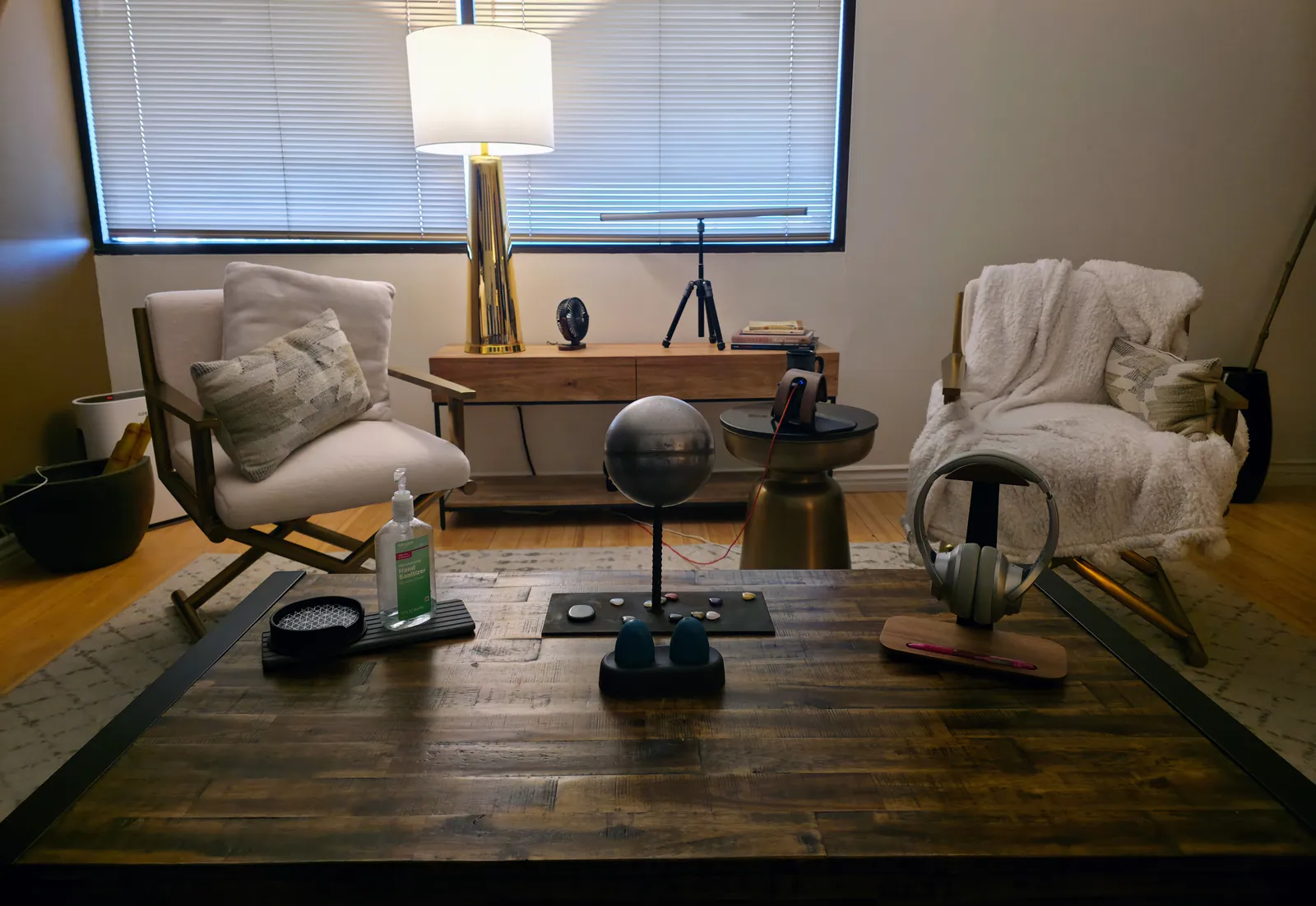
EMDR happens here in the room. Talk therapy can happen here too, or by video, wherever you are in California.
A short, silent film of the room, including the light bar used in EMDR.
I use EMDR with a wide range of people. Two groups have their own page, because the work looks different for each of them.
The work begins with the parents of kids who have been in and out of the hospital for years. Everyone may be doing okay now, but you have never really looked at how that time affected you. For parents →
Creative professionals, and the people close to them. Often what brings them to my office is the crisis of the week, but ultimately relief often comes from the deeper work, and from finally being able to share how difficult being the rock really is. More on that work →
No. Talk therapy I do by video, anywhere in California.
It depends on what we are working on, and we will talk about it as we go.